A 2023 American Humane survey found that only 22% of lost pets without ID tags are reunited with their owners. The numbers are even lower in crowded cities, where shelters can get overwhelmed by stray intakes and outdated tracking systems.
A City Shelter Faces a Surge in Unclaimed Pets
Consider the municipal animal shelter in Cleveland during 2022. Staff there faced a surge of unidentified strays after local leash laws changed and economic shifts forced more relocations. Without any way to quickly link animals to their people, the shelter hit capacity fast. Every new intake meant extra stress for the staff, and for anxious pets stuck far from home.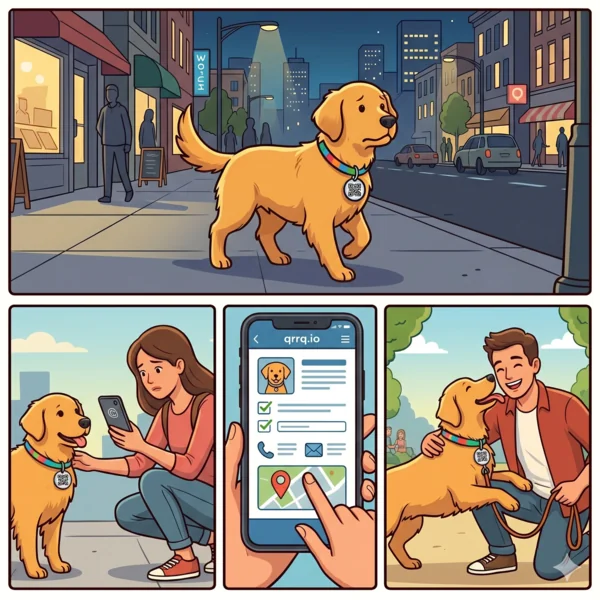
This wasn't just a numbers problem; it had human consequences too. Families desperate for word about missing pets would call or show up daily, while shelter workers scrambled through piles of intake forms and mismatched collars.
Diagnosing the Missing Link: Ineffective Pet Identification
Traditional pet tags have glaring weaknesses. Phone numbers change, address tags wear out or break off, and too many collars have zero owner info at all. Microchips sound high tech but require shelters or clinics with scanners, plus time to check multiple databases, never mind late-night arrivals when scanning isn't possible.
According to the AVMA (American Veterinary Medical Association), microchipped pets are twice as likely to be reunited compared to those without chips, but only if the chip is registered and someone takes time to scan it. The real bottleneck comes down to speed: delays mean animals linger longer or risk being never claimed.
For context, a Berlin rescue group ran into similar headaches back in 2021. Their volunteer team spent hours on manual phone calls because half of the strays had either faded tags or no readable info at all.
Implementing Pet QR Codes as a Modern Solution
The Cleveland shelter decided something needed to change. They teamed up with local pet supply shops and rolled out an initiative: every adopted animal left wearing a collar fitted with a unique pet QR code tag. These digital tags could be scanned by any smartphone, no proprietary app needed, and instantly pulled up contact details or key health notes entered by the owner via an online portal.
This new system removed two big hurdles at once: finders no longer needed special equipment (any phone camera would do), and owners could update details remotely if they moved or switched numbers, no trip to engrave a new tag required. Results were quick enough that neighboring cities started watching closely.
The technology itself isn't complicated, and platforms like ours let pet owners create and manage profiles on demand. Even smaller towns have begun testing these solutions thanks to user-friendly pricing (see example plans here). In fact, Istanbul’s Moda neighborhood saw several independent shelters adopt QR tagging after positive feedback filtered in from U.S. case studies.
If you’re curious how this works technically:
- The tag contains a QR code linked securely to an online profile
- A finder scans it using any modern phone camera or scanner app (like this one)
- The profile shows pre-approved contact info and optional notes like allergies
The Ripple Effect: Fewer Strays, Happier Outcomes
Cleveland’s experiment paid off quickly. According to internal city reports shared mid-2023, successful reunions climbed by roughly 40% within six months of rolling out QR-equipped collars at adoption events.
Shelter staff spent less time chasing dead-end leads since most lost pets came with scannable ID that actually worked, and could be updated anytime by the owner from their phone. This cut average shelter stays noticeably while opening up more space for animals truly in need.
The result? Less gridlock, happier animals, fewer frantic owners calling every day, and other metro areas around Ohio began pilot programs based on these learnings.
If you want practical tips for getting started yourself or exploring other smart uses (from GPS trackers to digital vaccination cards), check out our pet tag resource page here.
Closing Insight
I think broad adoption of pet QR codes could turn every smartphone user into an ally for lost pets, not just techies but kids, neighbors, delivery drivers; anyone who spots an animal can help send it home faster than old-school tags ever allowed.